

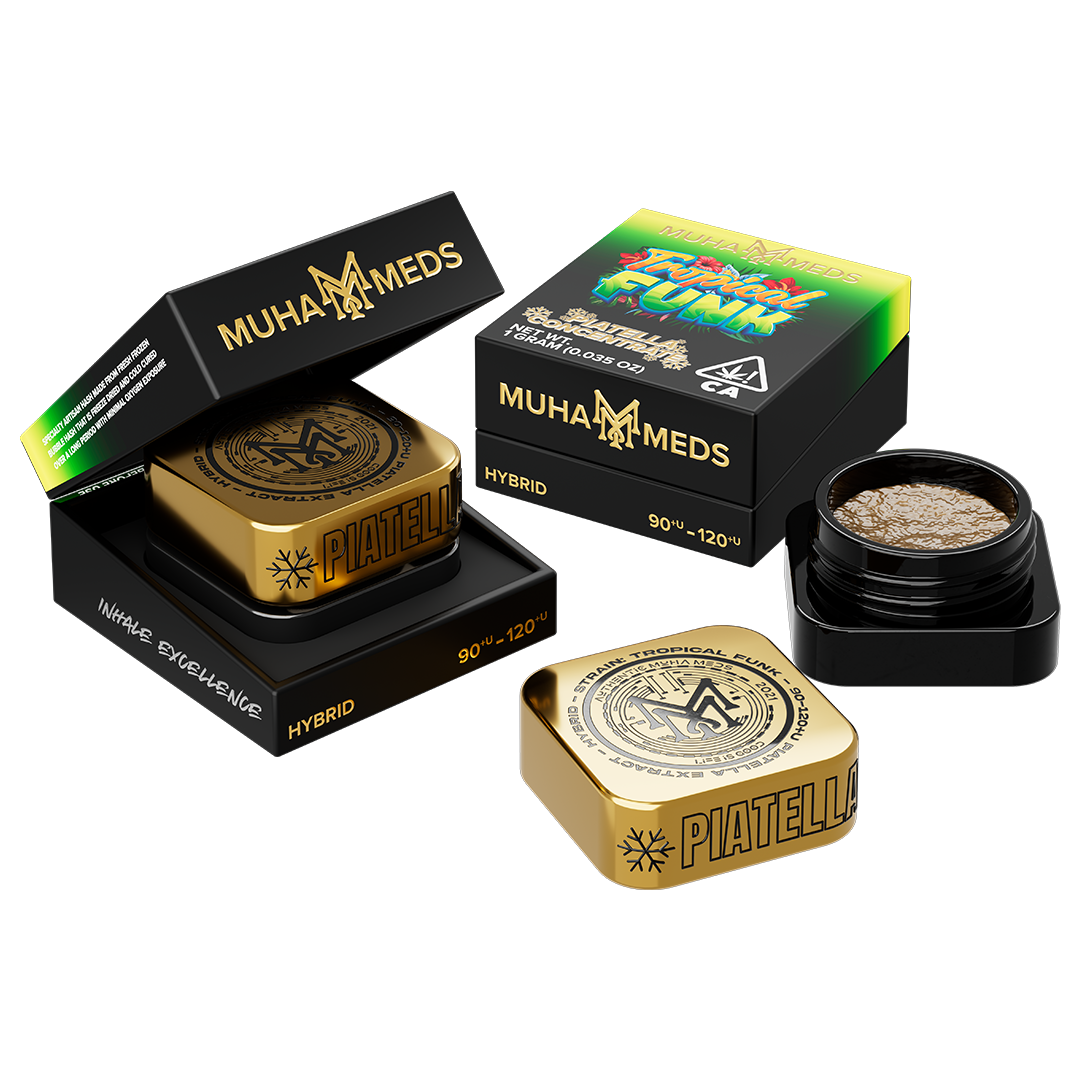
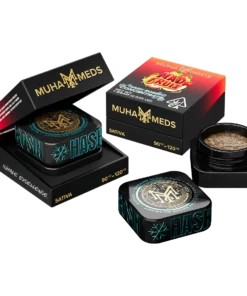
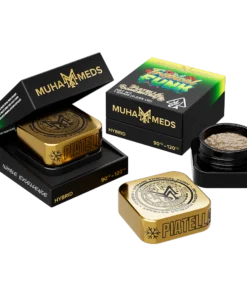
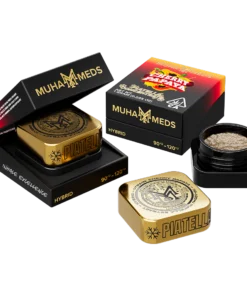
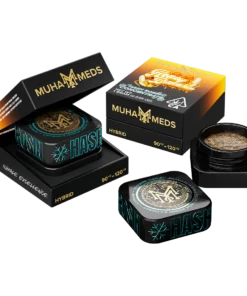
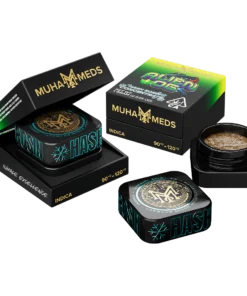
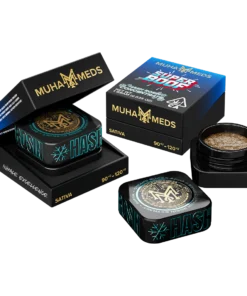
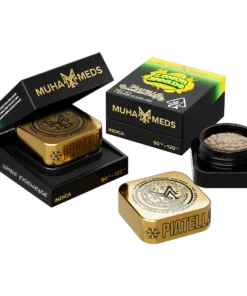
Tropical Funk – Hybrid – 1 Gram (0.035 oz) features a vibrant fruit-forward aromatic profile layered with sweet tropical notes and subtle earthy depth. This balanced hybrid chemotype is commonly associated with terpenes such as limonene, myrcene, caryophyllene, and humulene, contributing to its bright citrus lift and smooth herbal finish. Carefully refined extraction methods are designed to preserve cannabinoid content and terpene integrity for consistent clarity and aroma. The scent opens with ripe tropical sweetness, develops into soft citrus and floral tones, and settles into a grounded botanical base. As with all cannabis concentrates, responsible use, proper storage, and compliance with local regulations are essential.
Tropical Funk -Hybrid-1Gram (0.035 OZ)
$22.00
Tropical Funk -Hybrid-1Gram (0.035 OZ)
Category: CONCENTRATES
Tropical Funk -Hybrid-1Gram (0.035 OZ)
The Science, Chemistry, and Modern Cannabis Concentrate Evolution
Introduction to Tropical Hybrid Chemistry
Tropical Funk – Hybrid represents a modern category of cannabis concentrates built around fruit-forward aromatic chemistry balanced by grounded herbal and earthy undertones. Hybrid profiles like Tropical Funk are developed through selective breeding strategies designed to preserve both uplifting and grounding traits while enhancing terpene density and cannabinoid retention.
Unlike raw flower, a 1 gram (0.035 oz) concentrate format emphasizes:
• Refined extraction precision
• Concentrated cannabinoid presence
• Preserved terpene expression
• Controlled storage stability
Hybrid chemotypes sit between traditionally classified sativa and indica expressions. However, modern cannabis science focuses less on those legacy labels and more on measurable cannabinoid and terpene profiles.
Tropical Funk fits within the fruit-forward hybrid spectrum, characterized by vibrant aromatic top notes layered over a structured botanical base.
Understanding Hybrid Classification
The term “hybrid” historically referred to a cross between indica and sativa plants. Today, classification is more accurately defined through chemical composition:
• THC concentration
• Minor cannabinoids (CBG, CBC, CBN)
• Dominant terpenes
• Volatile sulfur compounds
• Flavonoid expression
A hybrid like Tropical Funk may demonstrate:
• Bright citrus-forward limonene dominance
• Balanced caryophyllene backbone
• Supporting myrcene softness
• Humulene or pinene secondary structure
This layered chemical profile explains why fruit hybrids often deliver aromatic complexity rather than a single-dimensional scent.
Cannabinoid Structure in Hybrid Concentrates
The primary cannabinoid found in most hybrid concentrates is delta-9-tetrahydrocannabinol (THC). In properly extracted 1 gram concentrate formats, THC content may reach significantly higher levels than raw flower due to refinement processes.
Additional cannabinoids may include:
• CBG (Cannabigerol)
• CBC (Cannabichromene)
• Trace CBN
• THCV (depending on lineage)
Hybrid chemotypes are often favored because they provide a more balanced cannabinoid ratio compared to highly sedative indica-dominant extracts or purely cerebral sativa-dominant ones.
The Role of Terpenes in Tropical Funk
Tropical Funk’s identity lies in terpene chemistry. Terpenes are aromatic hydrocarbons responsible for scent, flavor perception, and modulation of cannabinoid interactions.
Common terpenes in fruit-forward hybrids include:
Limonene
Myrcene
Beta-Caryophyllene
Humulene
Linalool
Pinene
The interaction between these molecules creates layered aromatic perception:
• Top notes: bright citrus, tropical sweetness
• Mid notes: floral-herbal tones
• Base notes: earthy spice or woody structure
This dynamic aromatic layering distinguishes fruit hybrids from simpler profiles.
Extraction Science Behind 1 Gram Concentrates
Concentrates are produced through advanced extraction techniques that isolate cannabinoids and terpenes from plant material.
Common methods include:
• Hydrocarbon extraction
• CO₂ extraction
• Ethanol extraction
• Live resin preservation methods
Precision temperature control is critical. Excessive heat can degrade:
• Terpenes
• Minor cannabinoids
• Volatile aroma compounds
High-quality hybrid concentrates aim to preserve terpene integrity while achieving clarity and stability.
Aroma Architecture of Tropical Funk
Tropical Funk can be analyzed through a sensory chemistry framework:
Primary Aroma: Sweet tropical fruit
Secondary Aroma: Citrus zest
Tertiary Aroma: Herbal spice
Base Aroma: Earthy warmth
This structure mirrors perfume layering models, where top notes evaporate quickly and base notes persist longer.
Fruit-Forward Hybrid Market Evolution
Fruit-driven hybrids have grown in popularity due to:
• Distinctive aroma appeal
• Recognizable flavor descriptors
• Cross-market adaptability
• Consumer familiarity with fruit flavor profiles
Unlike fuel-dominant or skunk-forward chemotypes, fruit hybrids often provide smoother aromatic transitions and broader appeal.
Storage Science for Concentrates
Proper storage preserves cannabinoid and terpene integrity.
Best practices:
• Airtight containers
• Cool, dark environments
• Avoid UV exposure
• Minimize oxygen exposure
Oxidation can convert THC into CBN, altering chemical balance.
Hybrid Stability in 1 Gram Formats
Smaller concentrate units allow:
• Fresher use cycles
• Reduced oxidation exposure
• Controlled portion handling
• Better terpene retention
The 1 gram format balances usability and preservation.
Sensory Analysis Framework
Professional cannabis evaluation includes:
Visual Inspection
Texture Evaluation
Aroma Profile
Consistency
Color Clarity
Hybrid concentrates often present:
• Golden amber hues
• Translucent clarity
• Viscous texture
• Uniform consistency
Entourage Effect in Hybrid Chemistry
The entourage effect refers to the synergistic interaction between cannabinoids and terpenes.
Rather than acting independently, compounds may modulate each other’s receptor interactions.
Hybrid chemotypes are often selected to encourage balanced interactions rather than dominance of a single compound.
Botanical Origins of Tropical Profiles
Fruit-forward terpene expression arises from:
• Selective breeding
• Terpene synthase gene expression
• Cultivation environment
• Post-harvest handling
Environmental factors such as humidity, soil composition, and nutrient cycles influence final chemical expression.
Hybrid Consumer Demographics
Fruit hybrids are often selected by consumers seeking:
• Balanced chemotype profiles
• Aromatic complexity
• Less sharp diesel notes
• Smooth terpene layering
Market data indicates strong demand for fruit-dessert hybrids in both regulated and emerging markets.
Regulatory Considerations
Cannabis concentrates must comply with:
• Local cannabinoid limits
• Testing standards
• Residual solvent analysis
• Microbial screening
Laboratory verification ensures:
• Purity
• Safety thresholds
• Pesticide screening
• Heavy metal testing
Agricultural Foundations of Hybrid Development
Breeding programs for fruit-forward hybrids involve:
• Phenotype hunting
• Genetic stabilization
• Controlled pollination
• Terpene-focused selection
Hybrid development may take multiple generations before stability is achieved.
Future of Hybrid Concentrates
Emerging trends include:
• Rare terpene isolation
• Minor cannabinoid enhancement
• Controlled terpene reintroduction
• Cold-cure resin techniques
Research into terpene-cannabinoid binding interactions continues to expand.
Global Cannabis Market Relevance
Fruit hybrids are prominent in:
• North American regulated markets
• Canadian concentrate sector
• European emerging medical frameworks
• Australian regulated pathways
Hybrid chemotypes allow flexibility in product formulation across regulatory landscapes.
Quality Assurance Framework
High-quality hybrid concentrates require:
• Clean extraction inputs
• Verified raw material sourcing
• Controlled environmental conditions
• Third-party lab validation
Consistency is essential for brand credibility.
Environmental Considerations
Modern cultivation integrates:
• Water conservation
• LED lighting systems
• Closed-loop extraction
• Waste reduction practices
Sustainable production is increasingly prioritized.
Cultural Impact of Fruit Hybrids
Fruit-forward cannabis strains have influenced:
• Naming conventions
• Branding strategies
• Consumer preference mapping
• Market segmentation
The appeal of tropical and fruit descriptors often aligns with familiarity and accessibility.
Aroma in cannabis concentrates is driven primarily by:
• Monoterpenes (lighter, more volatile molecules)
• Sesquiterpenes (heavier, more stable compounds)
• Minor aromatic hydrocarbons
• Trace volatile sulfur compounds
Fruit hybrids balance these chemical classes to create multi-phase aromatic release rather than a single dominant scent.
Primary Terpene: Limonene
Limonene is one of the most recognizable terpenes in fruit-forward chemotypes. It is commonly found in citrus peels and contributes bright, uplifting aromatic qualities.
Chemical Properties
• Molecular formula: C10H16
• Highly volatile monoterpene
• Low boiling point (~176°C)
• Sensitive to oxidation
In Tropical Funk-style hybrids, limonene often functions as the “top note” terpene. It evaporates quickly when exposed to heat, delivering an immediate citrus-forward aromatic impact.
Sensory Contribution
• Sweet citrus zest
• Tangy tropical brightness
• Clean aromatic lift
Without limonene, fruit hybrids lose their recognizable “tropical” first impression.
Supporting Terpene: Myrcene
Myrcene is one of the most abundant terpenes in cannabis and provides structural body to fruit-forward profiles.
Chemical Characteristics
• Molecular formula: C10H16
• Earthy and musky undertone
• Moderate volatility
• Stabilizes lighter terpenes
In Tropical Funk, myrcene acts as a bridge between sweet fruit and herbal depth. It prevents limonene-heavy profiles from feeling overly sharp or one-dimensional.
Aromatic Contribution
• Soft mango-like sweetness
• Mild herbal musk
• Rounded tropical base
The interplay between limonene and myrcene forms the core fruit signature.
Structural Backbone: Beta-Caryophyllene
Beta-caryophyllene is a sesquiterpene, meaning it has a heavier molecular structure than monoterpenes.
Unique Feature
It is the only known terpene that directly interacts with CB2 receptors in the endocannabinoid system.
Role in Hybrid Chemistry
• Adds subtle pepper-spice undertones
• Enhances aromatic persistence
• Stabilizes lighter terpenes
In fruit-dessert hybrids, caryophyllene adds depth so the profile does not feel artificially sweet.
Balancing Compound: Humulene
Humulene is structurally similar to caryophyllene and is also found in hops.
Chemical Role
• Earthy-woody aromatic tone
• Enhances base note longevity
• Reduces excessive sweetness
In Tropical Funk, humulene ensures balance between tropical brightness and grounded botanical character.
Secondary Brightener: Alpha-Pinene
Alpha-pinene introduces subtle freshness.
Characteristics
• Pine-like aroma
• High volatility
• Enhances aromatic clarity
Even in small quantities, pinene increases perceived sharpness and freshness within fruit-forward hybrids.
The Multi-Layer Aroma Model
Fruit-forward hybrid chemistry can be explained through a three-phase release model:
Phase 1 – Immediate Volatile Release
• Limonene
• Pinene
• Light esters
This stage produces sharp tropical brightness.
Phase 2 – Mid-Body Development
• Myrcene
• Linalool
• Supporting monoterpenes
Here, sweetness becomes rounded and smooth.
Phase 3 – Base Stability
• Caryophyllene
• Humulene
• Heavy sesquiterpenes
This stage delivers earthy warmth and aromatic persistence.
Volatility and Temperature Sensitivity
Terpenes degrade at specific temperatures. For example:
• Limonene begins evaporating at relatively low heat
• Myrcene degrades with prolonged exposure
• Caryophyllene remains more stable
Improper storage can alter aroma by accelerating oxidation.
Oxidized limonene may lose citrus sharpness and develop duller notes.
Entourage Effect in Fruit Hybrids
Terpenes do not operate independently. They influence cannabinoid interaction patterns.
For example:
• Caryophyllene may modulate CB2 receptor activity
• Limonene may influence serotonin-related pathways
• Myrcene may alter permeability of cannabinoid absorption
In hybrid chemotypes, this balance prevents extremes of either stimulation or sedation.
Terpene Ratios in Fruit-Dessert Hybrids
Fruit-forward hybrids often show:
• Dominant limonene or myrcene
• Moderate caryophyllene
• Supporting humulene
• Minor pinene
The ratio matters more than the presence of any single terpene.
An overly limonene-dominant profile may feel sharp.
Too much myrcene may dull brightness.
Balanced ratios create aromatic harmony.
Terpene Preservation in Concentrates
Concentrates must preserve fragile terpene molecules.
Key factors include:
• Low-temperature extraction
• Closed-loop systems
• Reduced oxygen exposure
• Minimal post-processing heat
Improper handling leads to terpene loss, reducing aromatic complexity.
Interaction with Minor Cannabinoids
Fruit-forward hybrids may also contain:
• CBG
• CBC
• Trace THCV
Terpenes can influence how these minor cannabinoids interact within the endocannabinoid system.
Research continues into:
• Terpene-mediated receptor modulation
• Cross-binding effects
• Volatile compound synergy
Sensory Evaluation Protocol
Professional evaluation of Tropical Funk-style terpene profiles includes:
Visual inspection
Headspace aroma sampling
Controlled heating observation
Persistence timing
Headspace analysis identifies dominant volatile compounds before heating.
Controlled warming reveals deeper sesquiterpenes.
Oxidation and Shelf Stability
Terpenes are highly sensitive to:
• Light exposure
• Heat fluctuations
• Oxygen
Oxidized terpenes can:
• Flatten aroma
• Reduce citrus brightness
• Increase harshness
Proper storage maintains terpene integrity for longer periods.
Genetic Drivers of Fruit Profiles
Terpene synthase genes determine terpene production.
Selective breeding increases expression of:
• Limonene synthase
• Myrcene synthase
• Caryophyllene synthase
Environmental stressors may also alter terpene production levels.
The Chemistry Behind “Tropical”
The “tropical” descriptor often results from:
• Limonene dominance
• Myrcene sweetness
• Trace esters
• Supporting terpinolene (in some cases)
It is not a single compound but a coordinated chemical ensemble.
Hybrid Complexity vs Single-Terpene Profiles
Some strains lean heavily on one terpene. Fruit hybrids tend to display multi-terpene layering.
This complexity leads to:
• Dynamic aromatic evolution
• Greater sensory interest
• Broader appeal
Research Trends in Terpene Science
Emerging research focuses on:
• Terpene receptor binding studies
• Neurotransmitter interaction models
• Minor terpene pharmacology
• Stability under varying humidity conditions
Understanding terpene chemistry enhances product consistency and consumer transparency.
Final Scientific Perspective
Tropical Funk – Hybrid – 1 Gram (0.035 oz) demonstrates how fruit-forward hybrid chemistry relies on precise terpene layering rather than simple sweetness. Limonene provides brightness. Myrcene rounds the profile. Caryophyllene and humulene anchor it with structure. Pinene adds clarity.
The result is a chemically balanced aromatic framework defined by:
• Volatile top notes
• Stabilized mid-body sweetness
• Grounded botanical base
Fruit-forward hybrid chemistry is not accidental. It is the product of selective genetics, controlled cultivation, careful extraction, and terpene preservation science.
Flavor Profile
Exotic Tropical Sensations:
Tropical Funk Concentrate offers a symphony of flavors reminiscent of a tropical getaway. The dominant notes feature a lush blend of sweet tropical fruits, including hints of pineapple, mango, and papaya. Each inhale transports you to sun-soaked beaches, making it an irresistible choice for flavor seekers.
Earthy and Herbal Undertones:
Balancing the sweet fruitiness are subtle earthy and herbal undertones that add depth to the flavor profile. This complexity makes Tropical Funk a well-rounded option, providing a unique sensory experience with every hit.
Effects and Benefits
Balanced and Uplifting:
As a hybrid strain, Tropical Funk delivers a harmonious blend of uplifting energy and calming relaxation. Users can expect an enjoyable euphoria that elevates mood and encourages creativity while promoting a sense of calm in the body.
Ideal for Social Settings:
Tropical Funk is perfect for social situations, as many users report feeling more sociable and talkative, making it great for gatherings with friends or lively events.
Creativity and Focus:
Artists, writers, and creators often appreciate Tropical Funk for its ability to enhance focus and inspire innovative thinking, making it an excellent choice for those looking to engage in creative pursuits.
How to Use Tropical Funk Concentrate
Dabbing:
Dabbing is a popular method for enjoying concentrates, and Tropical Funk shines in this format. Use a dab rig or e-nail to vaporize the concentrate efficiently and enjoy its full flavor and effects.
Vaping:
For a more discreet and portable option, a vape pen designed for concentrates is ideal. This method allows for a flavorful and smooth experience, perfect for on-the-go consumption.
Culinary Infusions:
Get creative in the kitchen by incorporating Tropical Funk Concentrate into your favorite recipes. Whether in baked goods, smoothies, or savory dishes, you’ll add a tropical twist to your meals.
Safety and Quality Assurance
Thorough Lab Testing:
At Muha Meds, we prioritize quality and safety. Each batch of Tropical Funk Concentrate undergoes rigorous lab testing to ensure its purity and potency, providing users with a safe and effective product.
Sourcing Authentic Products:
To ensure the quality of your cannabis experience, always purchase Muha Meds products from authorized retailers or licensed dispensaries. Authenticity is key to enjoying the benefits of our concentrates.
Comparative Analysis: Hybrid Strains
Understanding Hybrid Dynamics:
Tropical Funk exemplifies the best of both worlds, combining the energizing effects of sativas with the calming properties of indicas. This versatility makes it a preferred choice for a wide range of users.
Choosing the Right Hybrid:
Consider your desired effects when selecting a hybrid. Tropical Funk’s balanced nature allows it to cater to those looking for both relaxation and inspiration in a single product.
Cultural Impact of Tropical Funk Concentrate
Popularity in Cannabis Culture:
Tropical Funk is making waves in cannabis culture due to its distinctive flavor and well-rounded effects. It resonates with users seeking enjoyable experiences that are both uplifting and relaxing.
Flavor Trends:
As cannabis culture evolves, the demand for unique, flavorful strains increases. Tropical Funk aligns perfectly with this trend, offering a delightful taste that appeals to a diverse audience.
Global Appeal of Muha Meds Products
Expanding Accessibility:
Muha Meds is dedicated to making high-quality concentrates like Tropical Funk accessible to cannabis lovers around the globe, reflecting the growing interest in unique flavors and effects.
USA
Evolving Legal Landscape:
In the U.S., hybrids are increasingly embraced for their versatility. Tropical Funk stands out as a flavorful option in the legal cannabis market, catering to those seeking a balanced experience.
UK
Emerging Market Trends:
As the UK cannabis market matures, products like Tropical Funk are gaining popularity among consumers looking for flavorful and enjoyable options.
Australia
Growing Interest in Quality:
In Australia, cannabis consumers are increasingly seeking quality hybrids like Tropical Funk, recognizing its vibrant flavor and versatile effects.
Europe
Cultural Shifts:
Countries like Germany and the Netherlands are experiencing changing attitudes toward cannabis, with hybrids like Tropical Funk appealing to users exploring the cannabis landscape.
Canada
Market Leadership:
In Canada, Tropical Funk is celebrated for its rich flavors and balanced effects, adding diversity to the available range of cannabis products.
Future of Muha Meds and Tropical Funk
Innovative Developments:
As consumer preferences continue to evolve, Muha Meds is committed to innovating its product lineup, ensuring that exciting and flavorful concentrates remain available.
Sustainable Practices:
Muha Meds aims to integrate environmentally responsible practices throughout production and packaging, contributing to a sustainable future for the cannabis industry.
Conclusion
Tropical Funk – Hybrid – 1 Gram (0.035 oz) represents the evolution of modern cannabis chemistry. Its fruit-forward aromatic framework, balanced hybrid cannabinoid structure, and refined extraction format demonstrate how botanical science, cultivation precision, and chemical analysis intersect in contemporary concentrate production.
Hybrid chemotypes continue to define the future of cannabis product innovation through terpene diversity, cannabinoid synergy research, and advanced extraction technologies.
Reviews
There are no reviews yet.