

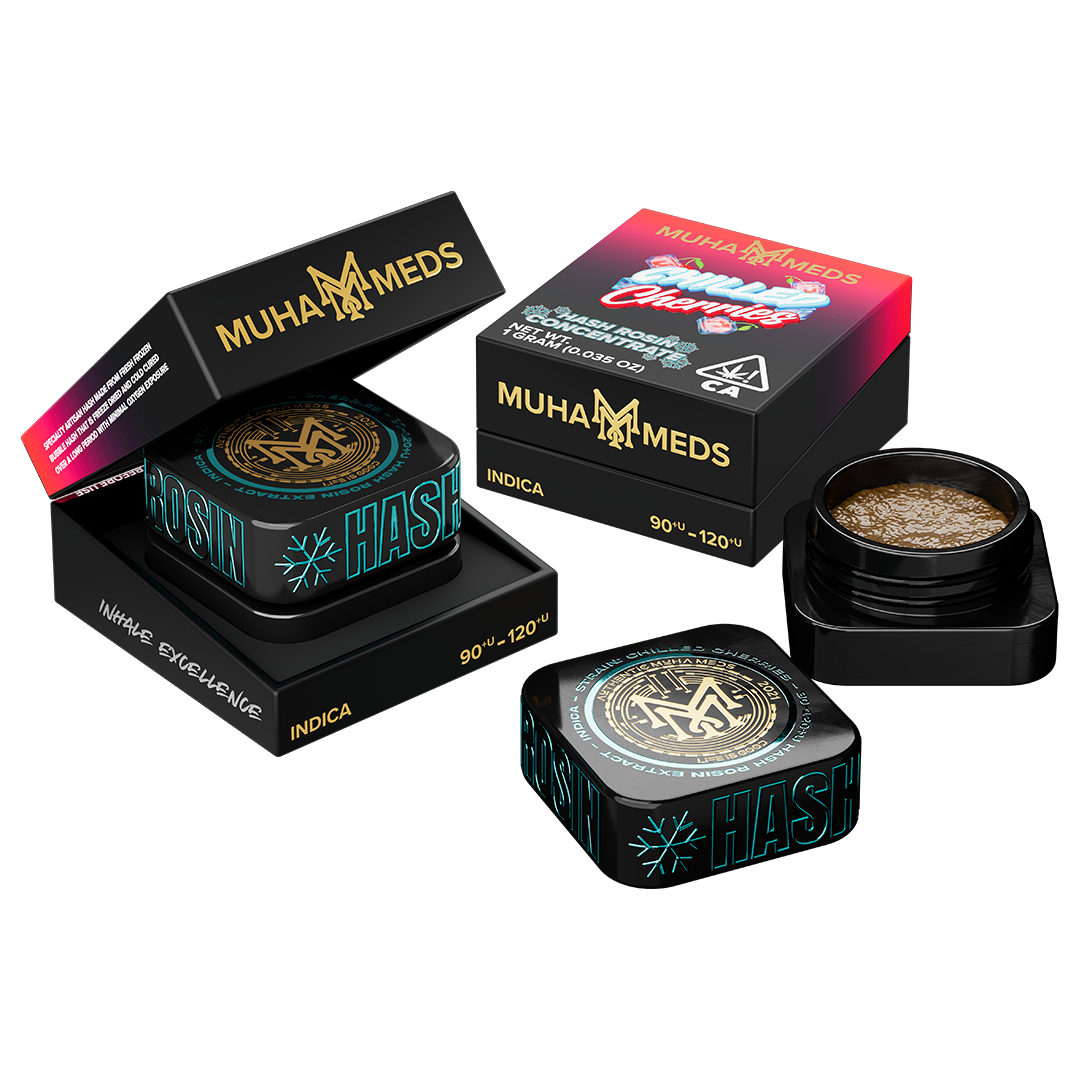

Chilled Cherries – Indica Concentrate features a rich dark-fruit profile layered with sweet cherry notes, subtle floral hints, and earthy undertones. Crafted through refined extraction methods, this Indica-dominant concentrate preserves key cannabinoids and aromatic terpenes such as myrcene, linalool, caryophyllene, and humulene for balanced depth and smooth vapor quality. Known for its calming and body-centered characteristics often associated with Indica varieties, Chilled Cherries is typically chosen for evening or relaxed settings. The concentrate maintains aromatic integrity through careful handling and storage standards. As with all high-potency cannabis extracts, responsible use, proper temperature control, and awareness of local regulations are essential for a safe, informed experience.
Chilled Cherries-Indica1
A Deep Scientific & Educational Guide to Terpenes, Cannabinoids, Extraction, and Responsible Use
Introduction: Understanding Indica Concentrates in Modern Cannabis Science
Cannabis concentrates have evolved significantly over the last decade. With improved extraction technology, terpene preservation methods, and laboratory analysis, consumers now encounter highly refined products that offer distinct cannabinoid and aromatic profiles.
Among Indica-dominant profiles, Chilled Cherries represents a flavor category characterized by:
-
Dark fruit sweetness
-
Subtle earthiness
-
Cooling, smooth finish
-
Deep aromatic richness
This article explores Chilled Cherries – Indica from a scientific, botanical, chemical, and regulatory perspective, covering:
-
Indica plant lineage
-
Terpene chemistry
-
Cannabinoid interaction
-
Extraction science
-
Laboratory safety
-
Responsible consumption
-
Global legal frameworks
Section 1: What Defines an Indica Profile?
Cannabis varieties are historically categorized as:
-
Sativa
-
Indica
-
Hybrid
While modern cannabis genetics are heavily hybridized, the Indica classification traditionally refers to plants originating from regions such as:
-
Afghanistan
-
Pakistan
-
Northern India
These plants adapted to:
-
Cooler mountain climates
-
Shorter growing seasons
-
Harsh environmental conditions
Physical Plant Characteristics
Indica plants typically exhibit:
-
Shorter, bushier structure
-
Broader leaves
-
Dense bud formation
-
Faster flowering cycles
Section 2: Indica and Reported Effects
From a consumer-reported perspective, Indica-dominant profiles are often associated with:
-
Physical relaxation
-
Body-heavy sensations
-
Evening use preference
-
Calming experiences
It is important to note that effects depend on:
-
Individual body chemistry
-
THC concentration
-
Terpene composition
-
Consumption method
-
Tolerance level
Modern cannabis science emphasizes chemical composition over strain label.
Section 3: The Terpene Profile of Chilled Cherries – Indica
The “Chilled Cherries” profile suggests a terpene combination that produces:
-
Sweet dark cherry aroma
-
Slightly tart berry notes
-
Subtle herbal undertones
-
Smooth, cool exhale sensation
Common terpenes associated with cherry-forward Indica profiles include:
1. Myrcene – The Dominant Indica Terpene
Aroma: Earthy, musky, herbal
Boiling Point: ~166–168°C
Myrcene is frequently the most abundant terpene in Indica-dominant varieties.
Potential Contributions:
-
May promote calming sensations
-
Adds body depth
-
Softens sharper fruit notes
-
Enhances vapor smoothness
High myrcene concentrations are often associated with traditional Indica characteristics.
2. Linalool – Floral Relaxation Compound
Aroma: Lavender, floral, slightly sweet
Boiling Point: ~198°C
Linalool is also found in lavender and certain herbs.
Potential Contributions:
-
May support relaxation
-
Adds soft floral sweetness
-
Contributes to smooth aromatic complexity
In Chilled Cherries, linalool may contribute to the “chilled” sensation implied by the name.
3. Caryophyllene – Spicy Depth
Aroma: Peppery, clove-like
Boiling Point: ~160°C
Unique among terpenes, caryophyllene interacts with CB2 receptors.
Potential Contributions:
-
Adds structural depth to fruit sweetness
-
May influence inflammatory response pathways
-
Balances overly sweet profiles
4. Humulene – Subtle Earthy Counterbalance
Aroma: Woody, earthy
Boiling Point: ~106°C
Humulene provides grounding notes that prevent fruit-forward strains from becoming overly sweet.
5. Minor Terpenes in Cherry Profiles
Possible supporting compounds:
-
Terpinolene
-
Ocimene
-
Bisabolol
These may appear in smaller concentrations but influence aroma complexity.
Section 4: Cannabinoid Composition in Indica Concentrates
Concentrates isolate cannabinoids at significantly higher levels than flower.
Primary Cannabinoid: THC
-
Psychoactive compound
-
Binds primarily to CB1 receptors
-
Responsible for euphoric effects
Secondary Cannabinoids
Chilled Cherries concentrates may also contain:
-
CBN (Cannabinol)
-
CBG (Cannabigerol)
-
CBC (Cannabichromene)
Minor cannabinoids contribute to overall chemical complexity.
Section 5: The Endocannabinoid System (ECS)
The human body contains a regulatory network known as the Endocannabinoid System.
CB1 Receptors
-
Located in brain and nervous system
-
Influence mood, appetite, perception
CB2 Receptors
-
Located in immune system
-
Influence inflammation response
THC interacts primarily with CB1 receptors, while caryophyllene interacts with CB2 receptors.
Section 6: The Entourage Effect in Indica Profiles
The entourage effect refers to the hypothesis that cannabinoids and terpenes work together synergistically.
For example:
-
THC + myrcene may feel more body-centered
-
THC + linalool may feel smoother and calmer
-
THC + caryophyllene may influence inflammatory pathways
Ongoing research continues to evaluate these interactions.
Section 7: Extraction Methods for Indica Concentrates
Concentrate quality depends heavily on extraction integrity.
Solvent-Based Methods
-
Butane (BHO)
-
Propane
-
Ethanol
-
CO₂
These methods separate cannabinoids and terpenes from plant matter.
Solventless Methods
-
Rosin pressing
-
Ice water hash
-
Dry sift
Solventless methods rely on heat and pressure rather than chemicals.
Section 8: Terpene Preservation Challenges
Terpenes are volatile and sensitive to:
-
High heat
-
Oxygen exposure
-
Light degradation
Improper handling may:
-
Reduce flavor intensity
-
Alter aroma profile
-
Degrade cannabinoids
Modern production prioritizes low-temperature extraction to preserve delicate compounds.
Section 9: Temperature and Vaporization Science
Different terpenes vaporize at different temperatures:
| Terpene | Vaporization Temperature |
|---|---|
| Humulene | ~106°C |
| Caryophyllene | ~160°C |
| Myrcene | ~166°C |
| Linalool | ~198°C |
Lower vaporization temperatures:
-
Preserve flavor
-
Reduce harshness
Higher temperatures:
-
Increase vapor density
-
Risk terpene degradation
Section 10: Laboratory Testing & Safety Standards
Responsible concentrate production includes:
-
Residual solvent testing
-
Heavy metal screening
-
Microbial contamination testing
-
Pesticide analysis
-
Potency verification
A Certificate of Analysis (COA) confirms product composition.
Section 11: Storage Best Practices
Concentrates should be stored:
-
In airtight containers
-
Away from direct sunlight
-
In cool environments
-
With minimal air exposure
Oxidation may convert THC into CBN over time, altering effects.
Section 12: Responsible Use Considerations
Because concentrates are potent:
-
Begin with small amounts
-
Avoid mixing with alcohol
-
Avoid driving after consumption
-
Keep away from minors
-
Consult healthcare professionals if necessary
High THC exposure may cause anxiety in some individuals.
Section 13: Indica & Evening Use Patterns
Many consumers report preferring Indica-dominant profiles during:
-
Evening relaxation
-
Rest periods
-
Reduced activity environments
However, individual response varies significantly.
Section 14: Sustainability in Modern Cannabis Production
Environmentally responsible production includes:
-
Reduced pesticide use
-
Energy-efficient extraction
-
Solvent recycling systems
-
Sustainable cultivation practices
Section 15: Global Legal Landscape
Cannabis laws vary widely.
United States
-
State-by-state legalization
-
Federal restrictions remain
Canada
-
Federally regulated adult-use cannabis
Germany
-
Expanding legal framework
Australia
-
Medical access permitted
UK
-
Strict restrictions
Netherlands
-
Tolerated retail system
Consumers must always verify local regulations.
Section 16: Cherry Flavor Chemistry
Cherry-like aroma in cannabis is not derived from actual fruit but from terpene combinations.
Compounds contributing to cherry-like perception:
-
Benzaldehyde-like aromatic associations
-
Myrcene sweetness
-
Linalool floral undertones
The brain interprets these combinations as “cherry.”
Section 17: Indica Evolution in Modern Breeding
Modern breeders enhance:
-
Terpene intensity
-
Cannabinoid consistency
-
Disease resistance
-
Environmental adaptability
Indica profiles today often blend traditional Afghan genetics with contemporary terpene-focused breeding.
Section 18: Psychological & Physiological Variability
Responses vary due to:
-
Body mass
-
Metabolism
-
Tolerance
-
Mood state
-
Environment
No two individuals experience cannabis identically.
Section 19: Potential Side Effects
High-potency concentrates may cause:
-
Dry mouth
-
Increased heart rate
-
Dizziness
-
Anxiety (at high doses)
-
Impaired coordination
Responsible dosing reduces risk.
Section 20: The Future of Indica Concentrates
Emerging trends include:
-
Minor cannabinoid emphasis
-
Custom terpene blends
-
Advanced terpene isolation
-
Personalized cannabinoid ratios
Research continues to refine understanding of cannabis chemistry.
Section 21: Analytical Sensory Breakdown of Chilled Cherries
Appearance:
-
Golden to amber tone
-
Smooth consistency
Aroma:
-
Sweet dark fruit
-
Subtle spice
-
Earthy undertones
Vapor:
-
Smooth inhale
-
Berry-forward mid-notes
-
Soft herbal finish
Section 22: Chemical Stability Over Time
Improper storage may result in:
-
Darkening color
-
Reduced aroma intensity
-
Cannabinoid degradation
Freshness plays a role in overall experience.
Section 23: Education Over Marketing
Modern cannabis literacy prioritizes:
-
Transparency
-
Laboratory validation
-
Informed consumer decisions
-
Responsible consumption
Understanding terpene science empowers smarter choices.
Section 24: Public Health Considerations
Cannabis concentrates should not be used by:
-
Pregnant individuals
-
Minors
-
Individuals with certain heart conditions
-
Those sensitive to THC
Medical consultation is recommended for uncertain cases.
Section 25: Conclusion
Chilled Cherries – Indica represents a terpene-rich flavor category characterized by:
-
Myrcene-dominant structure
-
Linalool softness
-
Caryophyllene spice
-
Deep cherry-inspired sweetness
Indica concentrates offer a chemically complex profile shaped by:
-
Cannabinoid concentration
-
Terpene synergy
-
Extraction precision
-
Responsible handling
Understanding the science behind terpene interaction, cannabinoid activity, laboratory safety, and regulatory compliance allows consumers to approach cannabis concentrates with informed awareness rather than relying solely on strain names or THC percentages.
As cannabis research expands globally, terpene literacy and chemical transparency will continue shaping the future of concentrate evaluation and consumer education.
Chilled Cherries – Indica profiles are typically defined by:
-
Dark fruit sweetness
-
Cooling floral undertones
-
Earthy structural depth
-
Smooth, calming aromatic finish
This terpene expansion examines:
-
Primary terpenes common in cherry-forward Indica profiles
-
Secondary aromatic contributors
-
Cannabinoid-terpene interaction
-
Vaporization temperature science
-
Stability and preservation
-
Emerging research directions
Section 1: The Biochemistry of Terpene Production
Terpenes are synthesized in cannabis trichomes via the mevalonate pathway and the methylerythritol phosphate pathway (MEP). These metabolic processes convert simple organic precursors into volatile aromatic hydrocarbons.
Terpenes serve ecological purposes in the plant:
-
Pest deterrence
-
UV protection
-
Environmental stress regulation
-
Defense signaling
In concentrate production, these compounds must be preserved carefully because they are:
-
Volatile
-
Heat-sensitive
-
Oxidation-prone
Section 2: Primary Terpenes in Chilled Cherries – Indica
While exact lab data varies by batch, cherry-dominant Indica concentrates commonly feature:
-
Myrcene
-
Linalool
-
Caryophyllene
-
Humulene
-
Minor fruit-enhancing compounds
Myrcene – Structural Foundation of Indica Profiles
Aroma: Earthy, musky, herbal sweetness
Boiling Point: ~166–168°C
Myrcene is often the dominant terpene in traditional Indica chemotypes.
Functional Characteristics:
-
May influence body-centered sensations
-
Contributes to vapor smoothness
-
Adds depth beneath fruit-forward aromas
-
Enhances overall aromatic density
In Chilled Cherries profiles, myrcene balances sweet cherry notes with grounding earthiness.
Linalool – Floral Cooling Compound
Aroma: Lavender, floral, slightly sweet
Boiling Point: ~198°C
Linalool is also found in lavender and coriander.
Potential Contributions:
-
Associated with calming aromatic perception
-
Adds soft sweetness
-
Creates the “chilled” sensation implied in the flavor name
-
Smooths sharp edges in fruit-forward strains
Because linalool vaporizes at a higher temperature, moderate heat settings help preserve it.
Caryophyllene – The Spicy Anchor
Aroma: Pepper, clove, woody spice
Boiling Point: ~160°C
Caryophyllene is unique because it binds directly to CB2 receptors.
Potential Contributions:
-
Adds structural complexity
-
Balances sweetness
-
May influence inflammatory signaling pathways
In cherry profiles, it prevents the flavor from becoming overly sugary.
Humulene – Subtle Earthy Counterpoint
Aroma: Woody, herbal
Boiling Point: ~106°C
Humulene is chemically related to caryophyllene.
Functional Role:
-
Adds dryness and depth
-
Grounds fruit-heavy aroma
-
Enhances Indica-like complexity
Because humulene vaporizes at relatively low temperatures, gentle heating can preserve it.
Section 3: The Chemistry Behind “Cherry” Aroma
Cannabis does not naturally contain cherry fruit extract. Instead, the brain interprets specific terpene combinations as “cherry-like.”
Cherry perception may arise from:
-
Myrcene sweetness
-
Linalool floral tone
-
Subtle benzaldehyde-like aromatic associations
-
Balanced caryophyllene spice
The synergy of these compounds produces a recognizable dark fruit illusion.
Section 4: Minor Terpenes and Their Supporting Roles
In addition to dominant terpenes, Chilled Cherries may include trace amounts of:
Bisabolol
-
Floral and slightly sweet
-
Associated with chamomile
Ocimene
-
Sweet herbal scent
-
May enhance fruit brightness
Terpinolene
-
Light, slightly citrus-wood
-
Adds aromatic lift
Though present in small percentages, these compounds influence nuance.
Section 5: The Entourage Effect in Indica Chemotypes
The entourage effect suggests cannabinoids and terpenes interact synergistically.
For example:
-
THC + myrcene may feel heavier and more body-oriented
-
THC + linalool may feel smoother
-
THC + caryophyllene may alter inflammatory perception
Research is ongoing, but chemical synergy appears to influence overall experience.
Section 6: Cannabinoid Context in Indica Concentrates
Chilled Cherries concentrates typically contain:
THC
Primary psychoactive compound.
CBN
Often associated with aged THC; may contribute to deeper Indica character.
CBG
A minor cannabinoid involved in plant biosynthesis.
CBC
Studied for potential anti-inflammatory properties.
The ratio of cannabinoids influences how terpene synergy manifests.
Section 7: Vaporization Temperature Optimization
Different terpenes release at different temperatures:
| Terpene | Vaporization Point |
|---|---|
| Humulene | ~106°C |
| Caryophyllene | ~160°C |
| Myrcene | ~166°C |
| Linalool | ~198°C |
Lower Temperatures:
-
Preserve aroma
-
Provide smoother inhalation
-
Highlight humulene and caryophyllene
Moderate Temperatures:
-
Activate myrcene
-
Maintain fruit profile
Higher Temperatures:
-
Release linalool
-
Increase vapor density
-
Risk terpene degradation
Temperature control significantly affects flavor clarity.
Section 8: Terpene Degradation & Oxidation
Terpenes degrade due to:
-
Heat exposure
-
Oxygen contact
-
Light radiation
-
Improper storage
Signs of degradation include:
-
Diminished aroma
-
Darkened concentrate
-
Harsh vapor
Proper storage methods include:
-
Airtight containers
-
Cool environments
-
Minimal light exposure
Section 9: Terpene Preservation During Extraction
Extraction methods influence terpene retention.
CO₂ Extraction
-
Cleaner solvent profile
-
Adjustable temperature control
Hydrocarbon Extraction
-
Effective terpene capture
-
Requires proper purging
Rosin Pressing
-
Solventless
-
Depends heavily on temperature precision
Lower temperature extraction generally retains more aromatic complexity.
Section 10: Sensory Analysis of Chilled Cherries
Visual Appearance
-
Amber or golden hue
-
Smooth texture
Aroma Profile
-
Immediate sweet berry scent
-
Subtle floral background
-
Earthy herbal undertone
Vapor Character
-
Smooth inhale
-
Cherry-dominant mid-notes
-
Calm herbal finish
Section 11: Neurological Interaction
Terpenes may influence:
-
Neurotransmitter signaling
-
GABA pathways
-
Dopamine modulation
While evidence is evolving, aromatic compounds can affect mood perception independently of THC.
Section 12: Tolerance & Individual Variation
Individual response depends on:
-
Endocannabinoid receptor density
-
Body composition
-
Previous exposure
-
Mental state
-
Environmental context
Two individuals may experience identical terpene profiles differently.
Section 13: Stability Over Time
THC may oxidize into CBN over time.
Effects of aging:
-
Slightly deeper sedation character
-
Reduced bright terpene aroma
-
Darkened concentrate color
Freshness impacts terpene expression.
Section 14: Safety & Responsible Use
Because Indica concentrates can be potent:
-
Start with minimal amounts
-
Avoid combining with alcohol
-
Do not drive after consumption
-
Keep away from minors
High doses may cause anxiety or dizziness in some individuals.
Section 15: Future of Terpene Customization
Emerging industry trends include:
-
Terpene reintroduction post-distillation
-
Custom terpene blending
-
Minor terpene isolation
-
Chemotype-specific breeding
The future of cannabis evaluation may rely more on terpene ratios than strain names.
Section 16: Public Health & Research Expansion
Ongoing studies aim to understand:
-
Terpene-cannabinoid synergy
-
Long-term inhalation safety
-
Neurological pathways
-
Personalized cannabinoid therapy
As research expands globally, terpene labeling standards may become more detailed.
Section 17: Why Terpene Literacy Matters
Consumers who understand terpene science can:
-
Select profiles aligned with preference
-
Avoid overreliance on THC percentage
-
Recognize quality extraction
-
Store products properly
-
Consume responsibly
Chilled Cherries – Indica profiles demonstrate how fruit-forward sweetness, floral softness, and earthy grounding combine into a cohesive chemical experience shaped by terpene synergy.
Conclusion
Chilled Cherries – Indica terpene chemistry typically centers on:
-
Myrcene dominance
-
Linalool floral calm
-
Caryophyllene spice
-
Humulene earthiness
These compounds work alongside cannabinoids to shape aromatic complexity and experiential perception.
Understanding terpene volatility, vaporization temperature, oxidation risk, and cannabinoid synergy allows consumers to approach Indica concentrates from an informed, science-based perspective rather than relying solely on flavor names or THC percentages.
As cannabis research progresses, terpene literacy will remain central to product evaluation, quality assessment, and responsible use.
Be the first to review “Chilled Cherries-Indica1”
Related products



Reviews
There are no reviews yet.